- 651 260 2676
- metrotree3@gmail.com
- Mon - Fri: 9:00 - 05:00
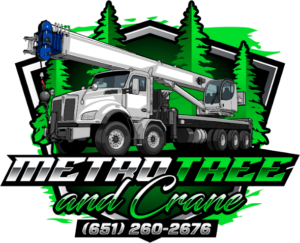
As a tree ages, its canopy changes, and certain branches may start to compete for space or grow in directions that are not ideal. Its structure and look can suffer from damaged limbs and crowded development. Metro Tree and Crane helps property owners manage undesirable growth with careful, scheduled trimming. In Lino Lakes, MN, we prune trees to fix problem areas while maintaining the natural form of the tree.
Not every branch that looks out of place needs to be removed. Some limbs grow inward, develop weak connections, or interfere with nearby branches, while others contribute to the tree’s natural shape. Metro Tree and Crane considers the overall canopy before recommending any cuts. Whether you have a mature shade tree or a younger ornamental variety, suitable pruning can address unwanted growth without changing its natural appearance.
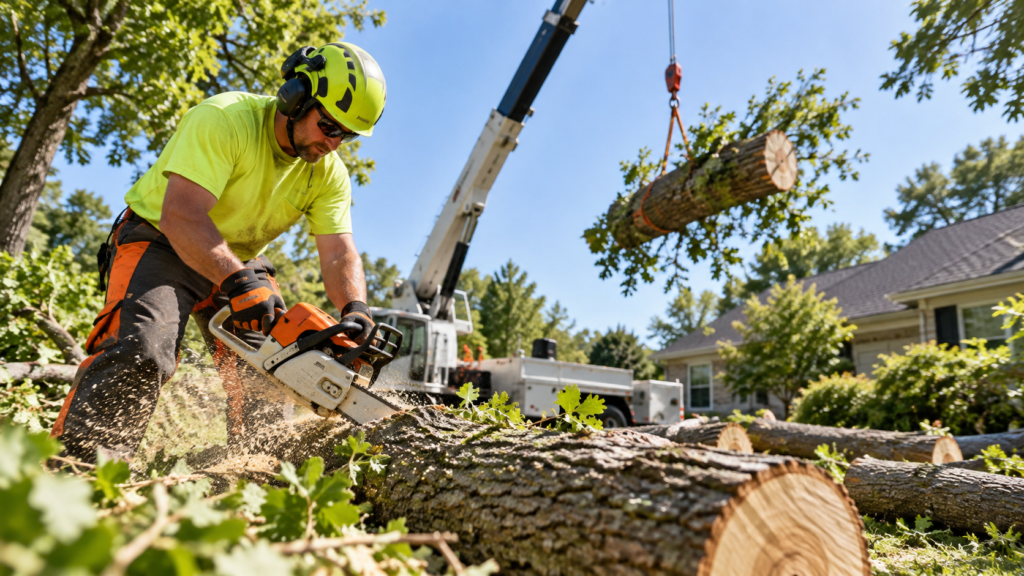
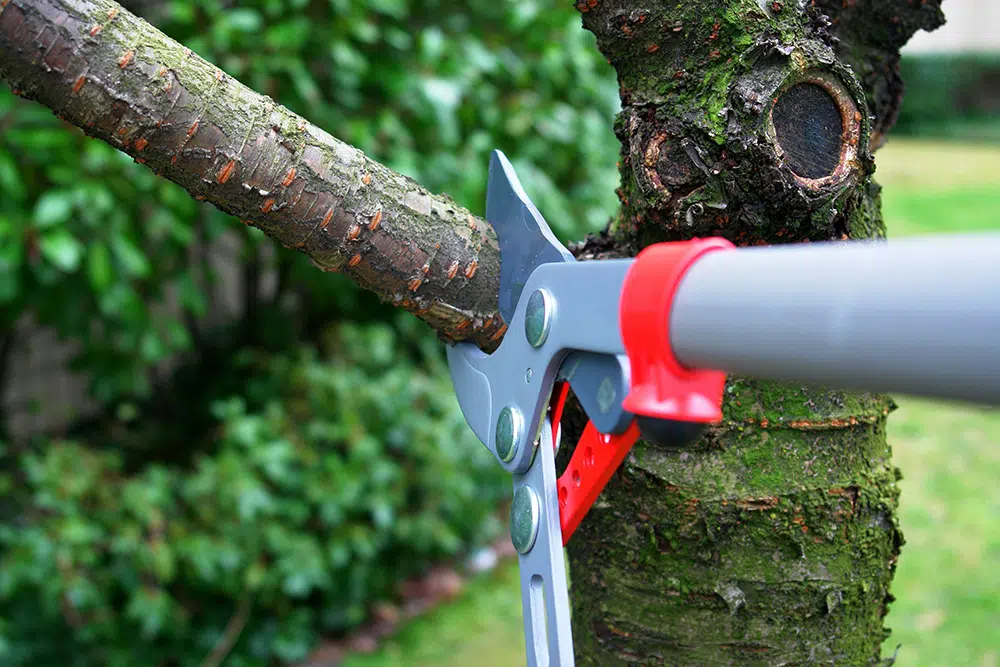
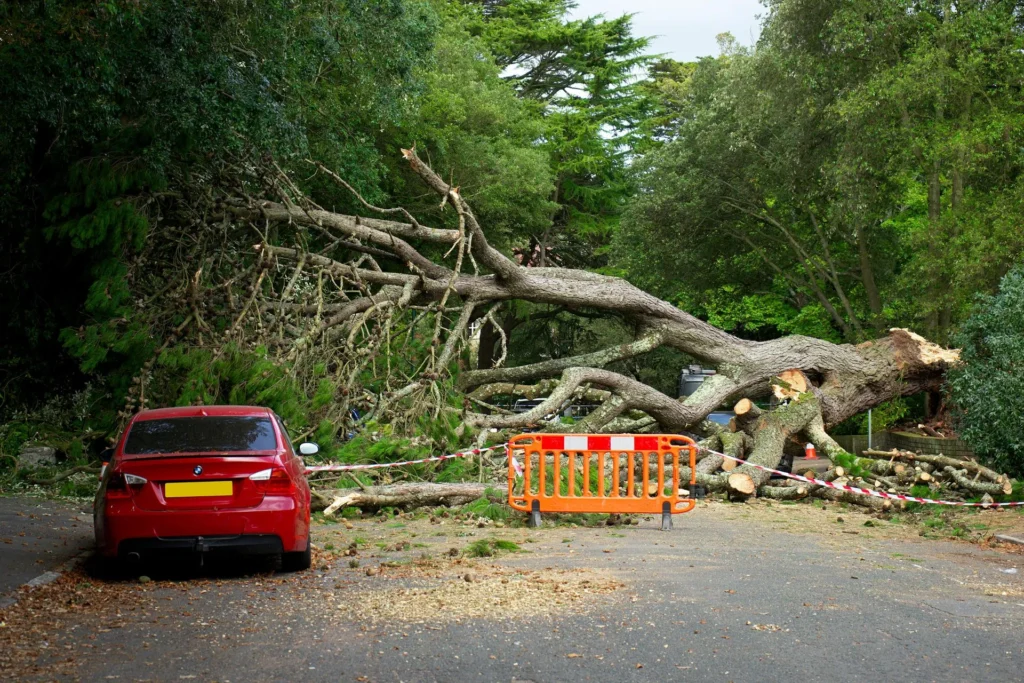
Some structural problems develop gradually without obvious signs of distress. Look for branches rubbing together, visible cracks, dead sections, or unusually dense growth. Changes in the tree’s overall shape may also indicate that certain branches are developing faster than others. Metro Tree and Crane reviews these signs and the surrounding conditions when determining whether pruning is appropriate.
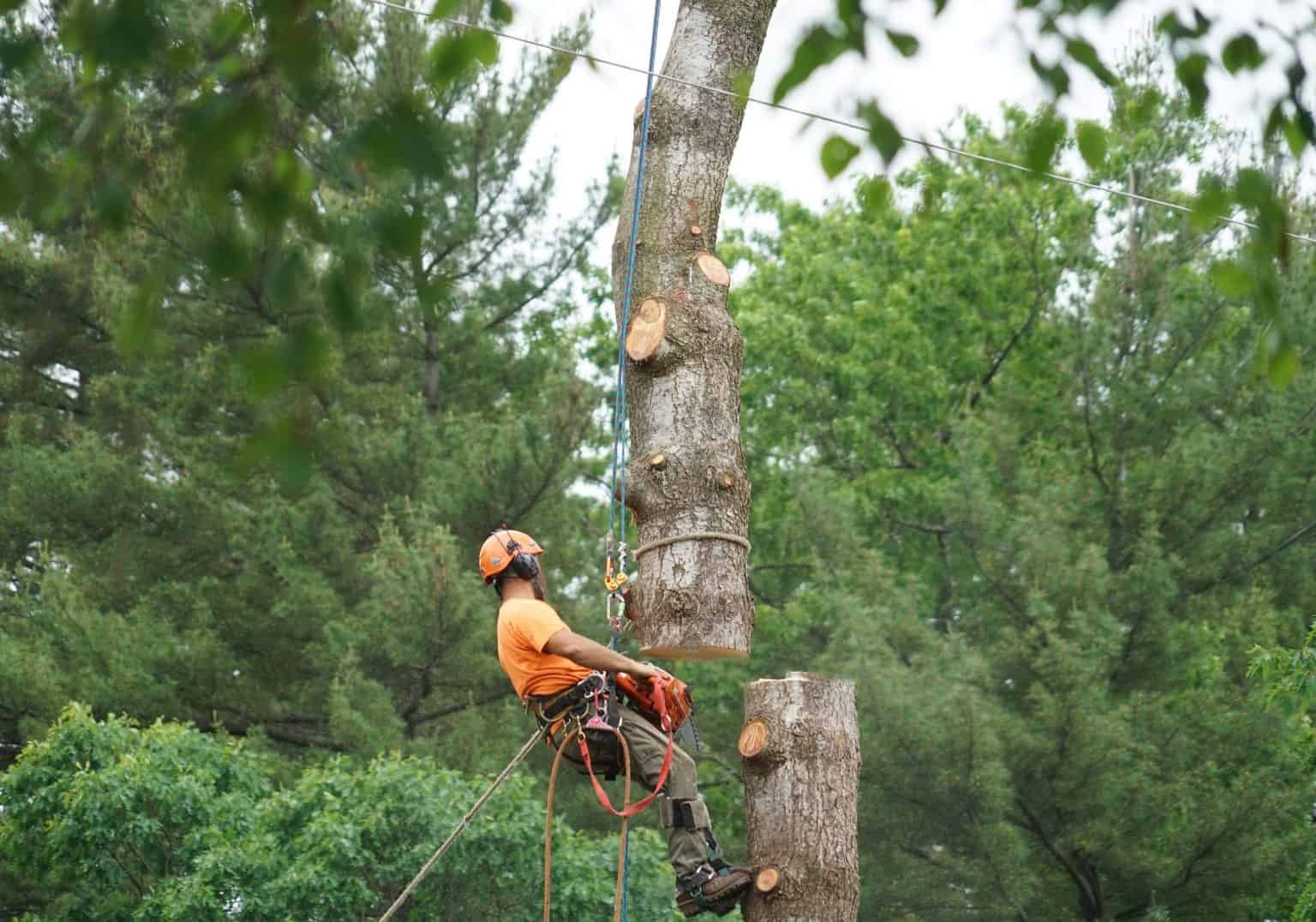
Some trees need just a few cuts to fix a particular issue while others require more extensive maintenance. The decision will be dependent on species, size, condition, and arrangement of branches. Cutting away huge amounts of good growth to diminish height or spread can cause further difficulties. A good assessment helps decide which branches need attention and how much effort is needed.
We examine the canopy and consider how existing branches contribute to the tree's form, balance, and development.
We identify selected dead, damaged, crossing, or poorly positioned branches that may affect the tree's structure.
We consider the species, branch size, tree condition, and seasonal factors before establishing the proposed work.
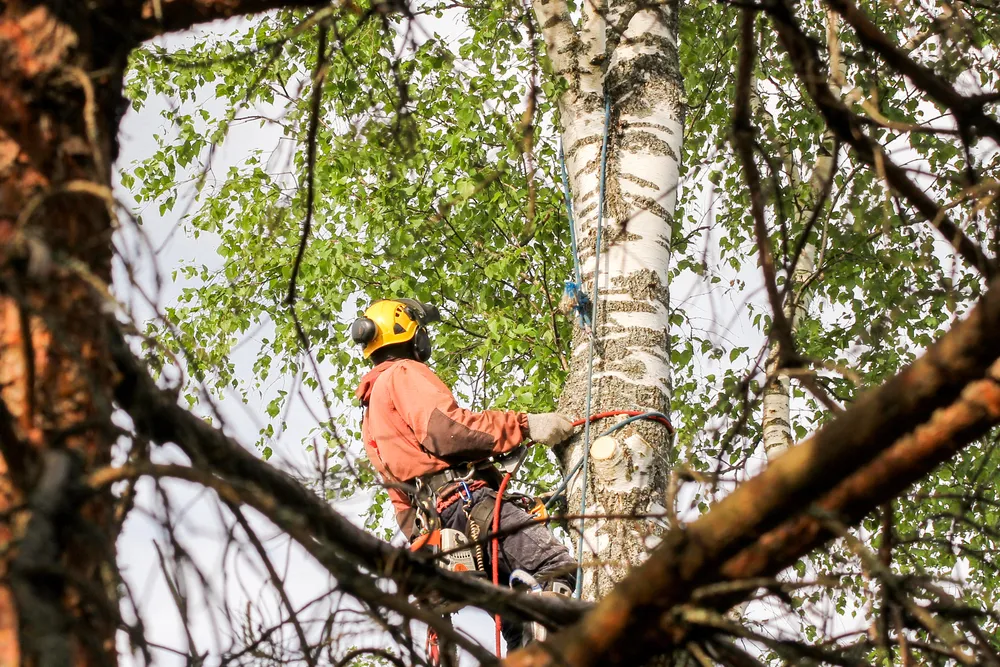
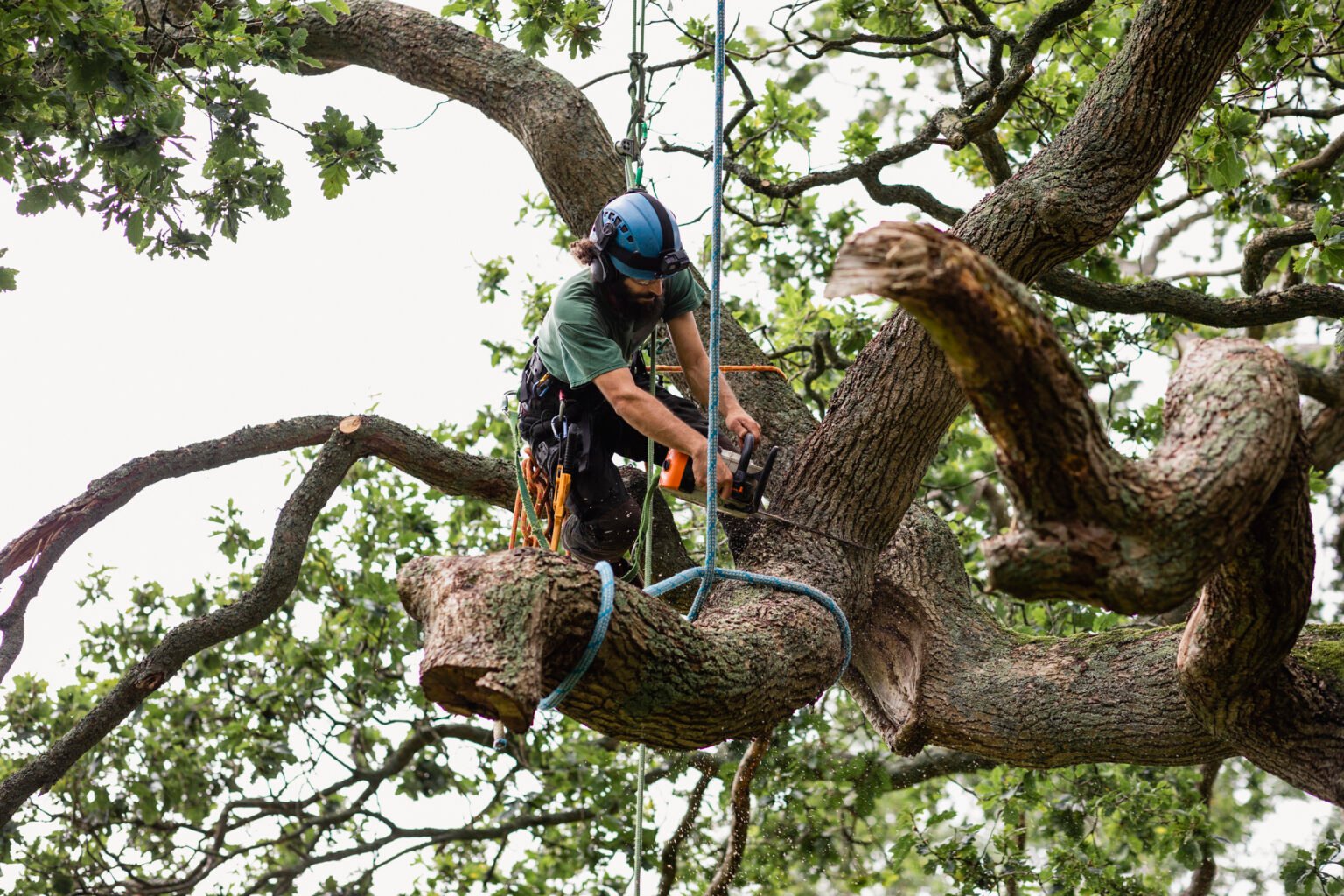
We perform the agreed pruning with attention to cutting locations, branch connections, nearby structures, and working conditions.
We review the finished tree against the intended pruning objectives and identify any visible concerns.
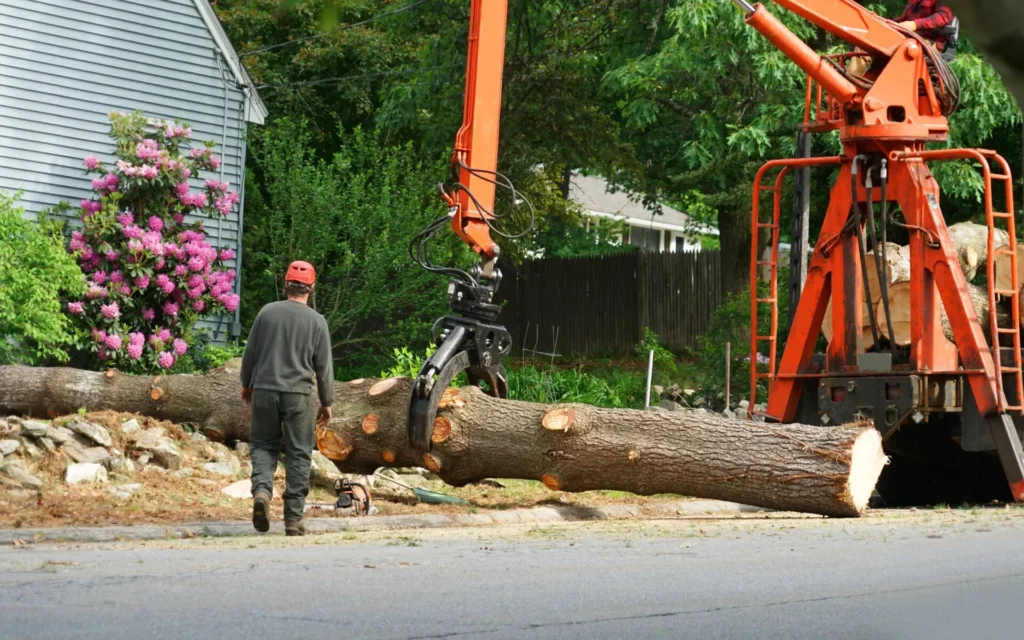
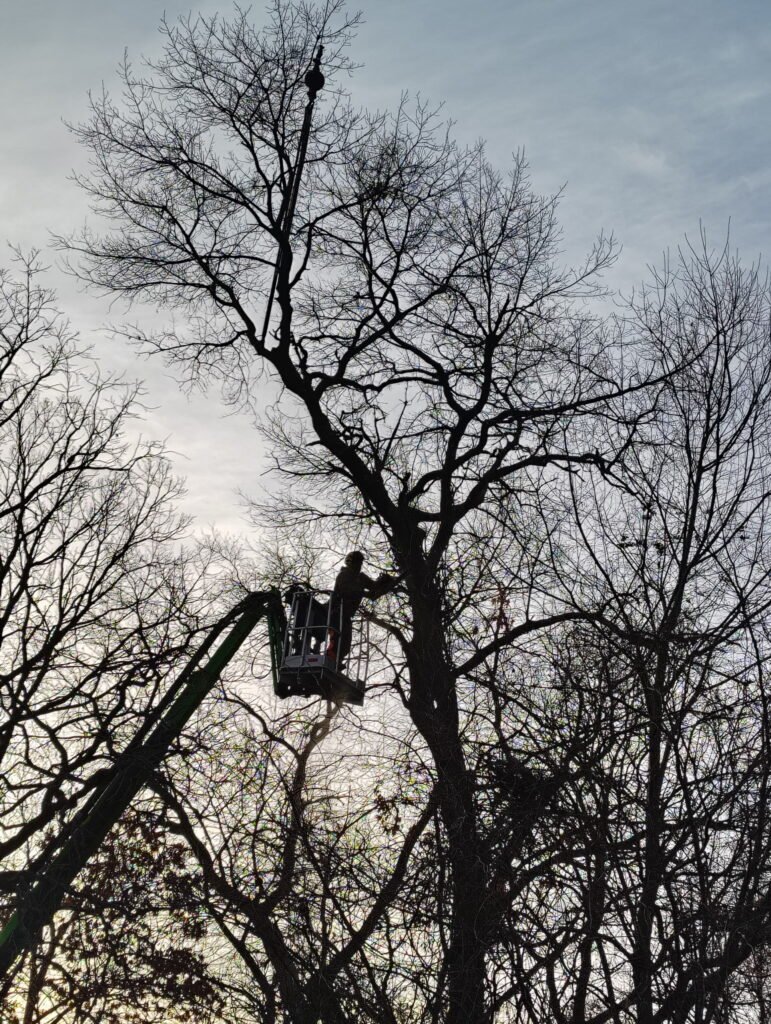
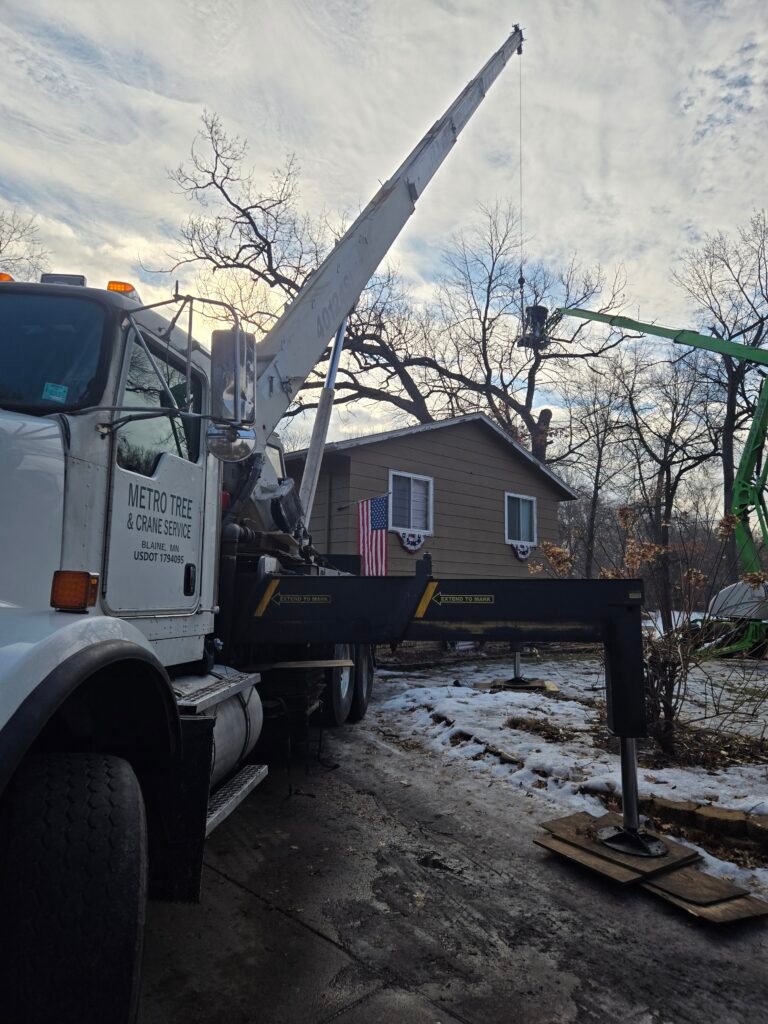
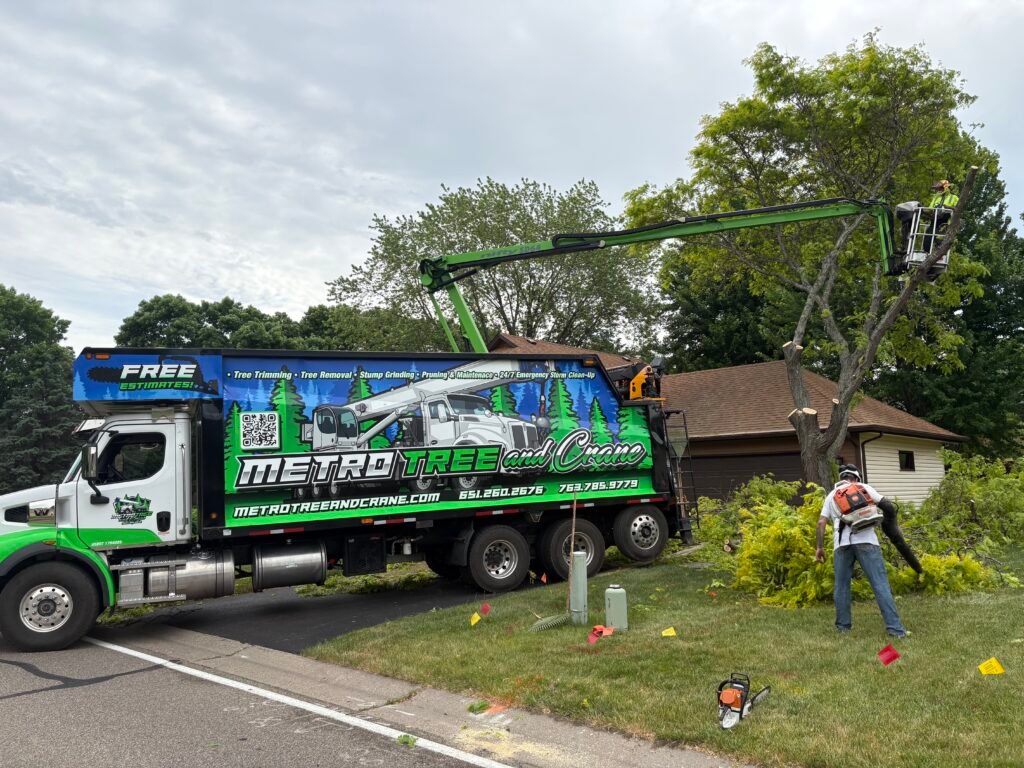
Pruning initiates natural responses in trees that assist them in compartmentalizing damaged parts and stimulating future growth. Where the cut is made, which branch to cut, and how much to cut all matter; unnecessary pollarding and indiscriminate topping can interfere with this reaction and lead to structural problems. Metro Tree and Crane reviews these aspects while addressing maintenance choices. Proper pruning should have a definite aim, protect the useful structure of the branches, and not cut healthy development for no cause.
Branches Are Blocking Natural Light
An excessively dense canopy may limit sunlight reaching parts of the tree or surrounding landscape. Selective thinning may help when suitable for the species.
Limbs Are Growing Toward Utility Lines
Branches that extend over electrical equipment need special care. Utility workers with the proper training and certification should do the work along power lines.
A Tree Has Developed Multiple Competing Leaders
Some trees produce many erect stems that fight for dominance. You may need to judge their structure to see if remedial pruning is required.
Older Branches Show Signs of Decay
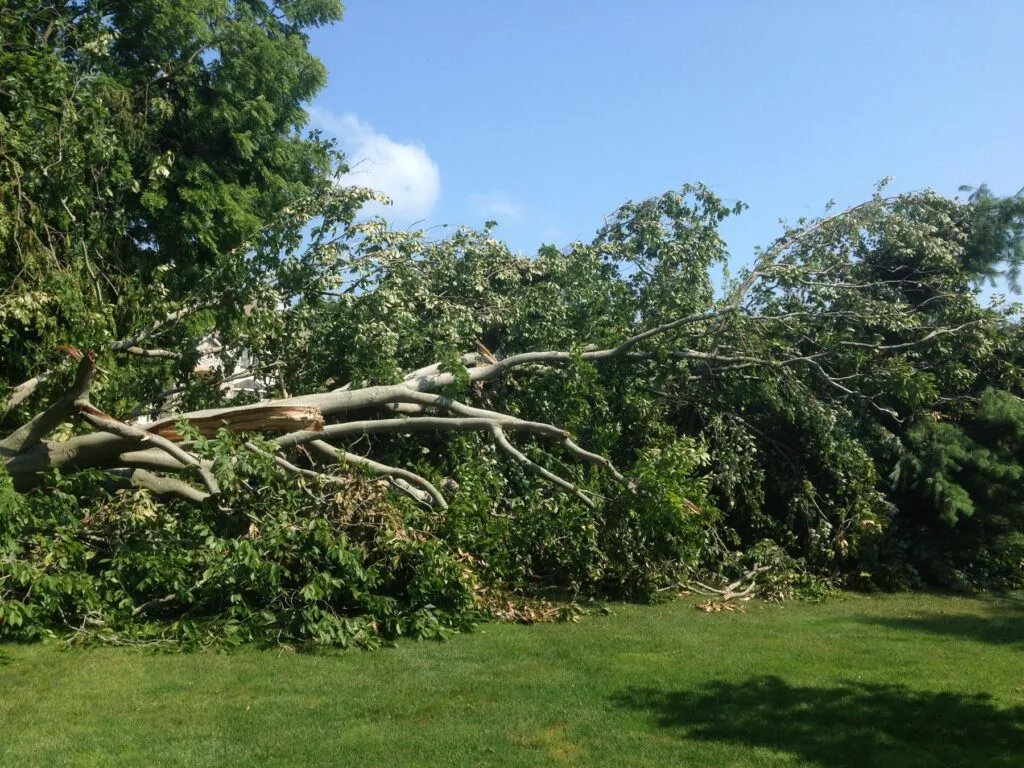
Cracked, dead, or deteriorating limbs may need removal depending on their position and condition. An assessment helps determine the extent of the concern.
Respecting the Branch Collar
The branch collar is where a limb joins the trunk or another limb. Proper cutting locations assist in maintaining the tree’s natural wound-response processes.
Avoiding Excessive Canopy Reduction
Removing too much foliage can reduce the tree’s ability to produce energy. The amount removed should reflect its condition and maintenance needs.
Considering Disease Prevention
Pruning wounds can lead to infections that are more severe in some tree species. When planning oak upkeep in Minnesota, it is especially crucial to avoid oak wilt.
Understanding the Purpose of Each Cut
Every cut should have a clear objective, such as correcting a damaged branch, reducing interference, or managing canopy density. Unnecessary cuts should be avoided.
We learn which trees need attention, what changes you have noticed, and whether your priority is canopy management, branch clearance, or general maintenance.
We consider major limbs, smaller branches, visible damage, and the overall shape of the canopy.
We determine the proposed work according to tree species, condition, maintenance objectives, and seasonal considerations.
We review the completed pruning and consider whether the intended branch corrections and maintenance goals have been addressed.
Better Control Over Branch Development
Selective cutting helps manage unwanted growth and maintain a suitable arrangement as the tree matures.
Greater Accessibility Around Trees
Removing selected overhanging or low-growing branches can make walkways, gardens, and outdoor spaces easier to use.
More Manageable Shade Tree Canopies
Appropriate pruning helps maintain canopy shape and density without unnecessary removal of healthy foliage.
Improved Fruit Tree Accessibility
A suitable branch framework makes it easier to inspect, maintain, and harvest fruit-bearing trees.
Attention to Damaged and Unwanted Growth
Removing selected problem branches addresses visible maintenance concerns and helps property owners better understand the tree’s remaining condition.
Discussing Your Maintenance Priorities
We begin by understanding which trees concern you and whether you have noticed damaged limbs, excessive growth, or changes in canopy structure.
Reviewing Branch Placement
We examine the tree to identify crowded areas, competing branches, and growth that may interfere with nearby features.
Selecting Suitable Pruning Measures
We establish which branches need attention based on the tree’s characteristics and maintenance requirements.
Performing the Pruning Work
We carry out the agreed service while considering branch connections, cutting locations, equipment, and surrounding property conditions.
Reviewing the Tree’s New Arrangement
We examine the remaining canopy and compare the results with the original maintenance objectives.
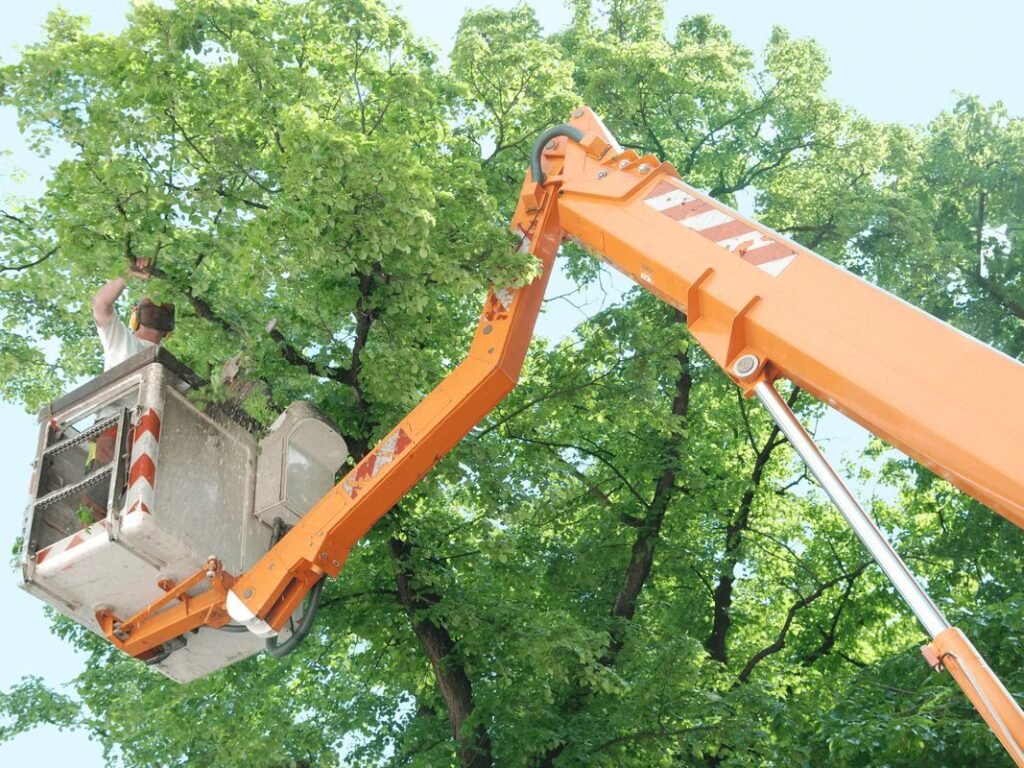
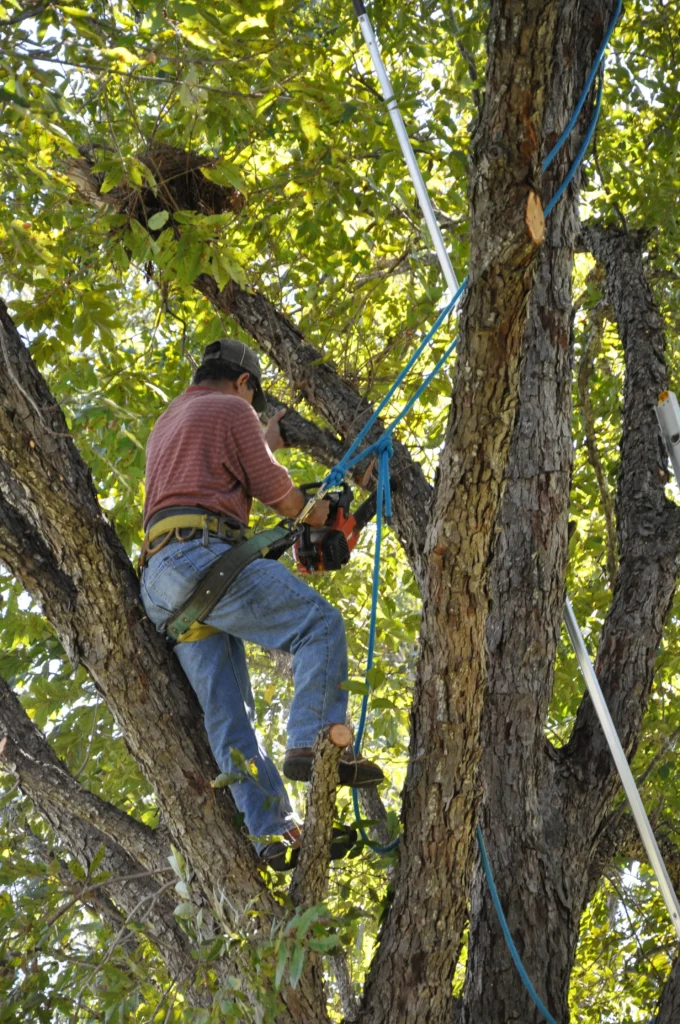
Lino Lakes estates have mature hardwoods, decorative trees, and backyard fruit trees, all with varied upkeep needs. Winter weather adds weight to branches, and spring and summer growth affects the contour of the canopy. Oak trees in Minnesota also require cautious scheduling because of concerns about oak wilt. Metro Tree and Crane consider these regional characteristics when talking about tree maintenance. Our Lino Lakes, MN tree pruning services consider the state of the tree, its immediate habitat, and your vision for your landscaping.
What is the main purpose of tree pruning?
Pruning is the selective removal of branches to correct damage, improve structure, control growth of the canopy, and provide sufficient clearance around the property.
When should I schedule tree pruning in Minnesota?
Timing depends on the tree species and purpose of pruning. Oak trees require special attention to oak wilt prevention recommendations.
Can overgrown trees be pruned without removing them?
Yes. Selective pruning can manage certain types of excessive growth while preserving the tree’s main structure.
Do fruit trees need annual pruning?
Not every fruit tree follows the same schedule. Species, age, growth pattern, and fruiting habits influence maintenance frequency.
Why should oak pruning be scheduled carefully?
Oak wilt can spread through fresh pruning wounds during higher-risk periods. Following Minnesota’s seasonal disease-prevention guidance is important.
How much does a tree pruning service cost in Lino Lakes?
Costs depend on tree height, branch quantity, accessibility, equipment needs, and the complexity of the work.
Maintain the Natural Character of Your Trees
A tree takes several years to build its structure, and decisions made about pruning will affect how it looks and grows in the future. Maintenance issues can persist if the tree has crowded branches, broken limbs, or poor growth patterns. Selective pruning removes these worries, but retains the tree’s inherent foundation. Metro Tree and Crane assesses the condition of each branch and explains proper management alternatives for your landscaping.
A tree takes several years to build its structure, and decisions made about pruning will affect how it looks and grows in the future. Maintenance issues can persist if the tree has crowded branches, broken limbs, or poor growth patterns. Selective pruning removes these worries, but retains the tree’s inherent foundation. Metro Tree and Crane assesses the condition of each branch and explains proper management alternatives for your landscaping.
Are your trees developing into congested canopies, competing branches, or development that needs professional attention? Metro Tree and Crane can assist you in figuring out what your landscape needs for pruning. Understanding how they grow is the first step to the appropriate technique. Whether you have mature oak trees, backyard fruit trees, or ornamental trees that need maintenance, What’s the best approach to keep up your property? Contact us to discuss tree pruning Lino Lakes and what might be appropriate.