- 651 260 2676
- metrotree3@gmail.com
- Mon - Fri: 9:00 - 05:00
Your trees continue to grow on your property. A branch that used to clear the roof might now skim the tiles; a limb that sheltered your patio could suddenly obscure a streetlight or loom over a parking space.
Metro Tree and Crane provides tree trimming in Lino Lakes, MN, for homeowners, HOAs, and commercial properties. Before making any cuts, we consider the tree species, growth pattern, season, and surrounding structures. Then we create a trimming plan suited to your trees and property.
Trimming is not just a cosmetic improvement. Every cut influences a tree’s growth. Pruning off the proper branches promotes a stronger structure and a healthier crown. Conversely, inadequate or excessive cuts can lead to stress, rot, and weak new growth.
We see trimming as a long-term tree maintenance practice. A well-maintained canopy can better withstand wind and wet snow, while avoiding buildings and walkways. Metro Tree and Crane explain the objective of each cut so you understand how the work helps the future growth of your tree.
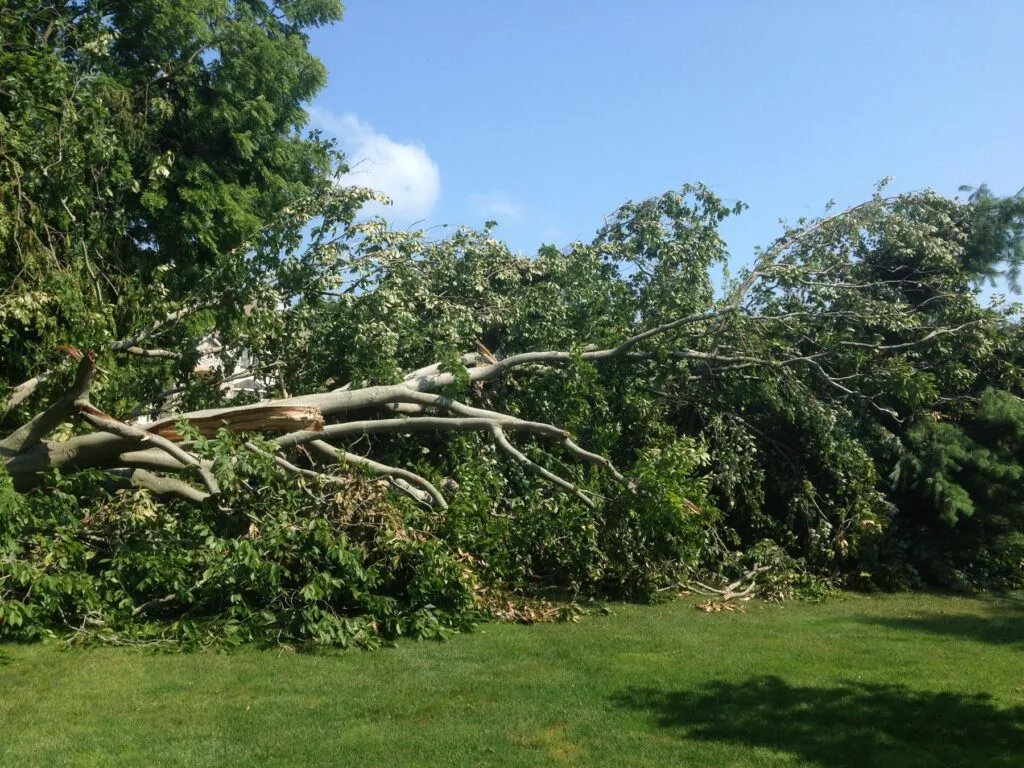
Roof contact is easy to notice, but other warning signs deserve attention. Look for dead limbs, peeling bark, tight V-shaped branch unions, cracks, or clusters of sprouts around old cuts. Patchy foliage on one side of the crown may also indicate a health problem. A broken branch caught in the canopy, known as a hanger, should be addressed promptly.
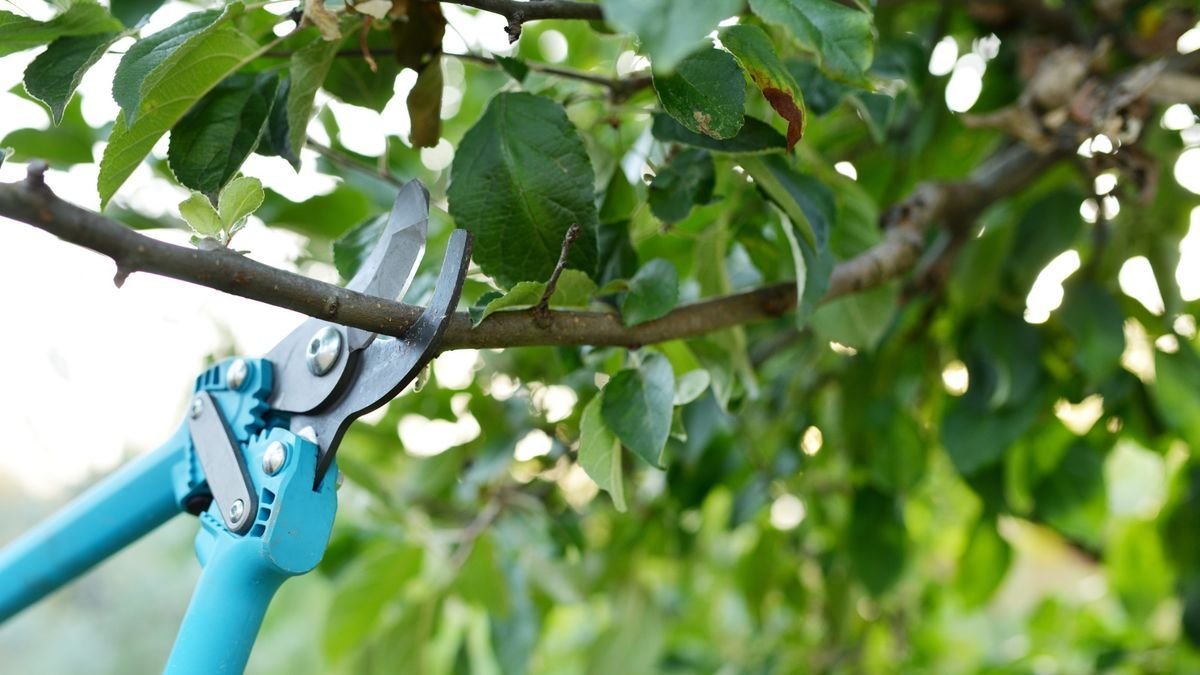
Many problems are very amenable to judicious pruning. Removal of deadwood, reduction of stretched limbs, and opening of crowded crowns can go a long way to maintaining a tree’s condition.
But substantial trunk decay, weak roots, or broad crown decline may require more than trimming. A proper assessment determines if maintenance can help or if a wider choice needs to be made.
We discuss what you want to achieve, whether you need more sunlight, vehicle clearance, fewer falling limbs, or a cleaner shape.
We inspect the trunk, major branch unions, and canopy for deadwood, weak attachments, crossing limbs, and signs of pests or disease.
We determine which branches to remove or shorten and how much live growth the tree can safely lose.
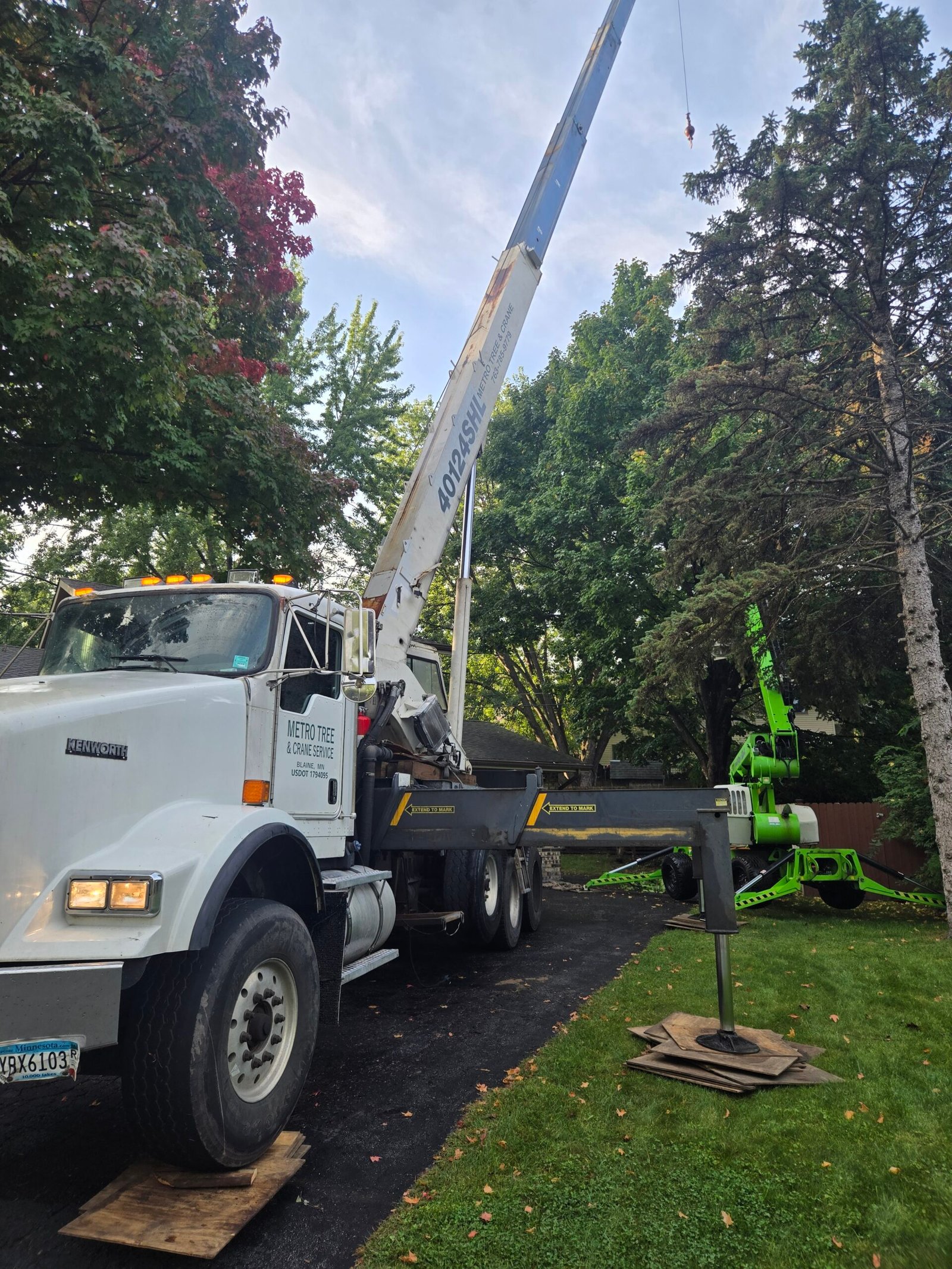
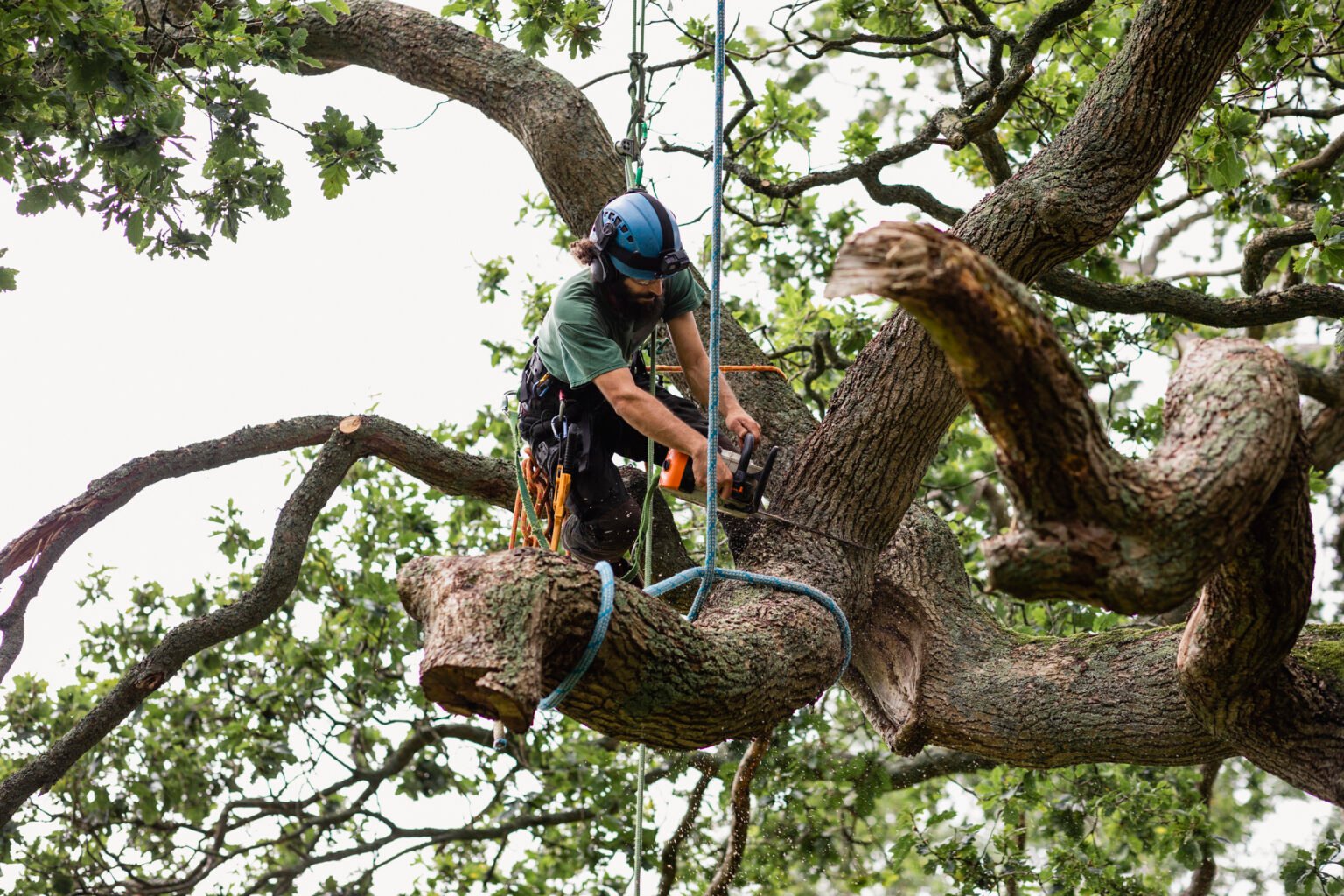
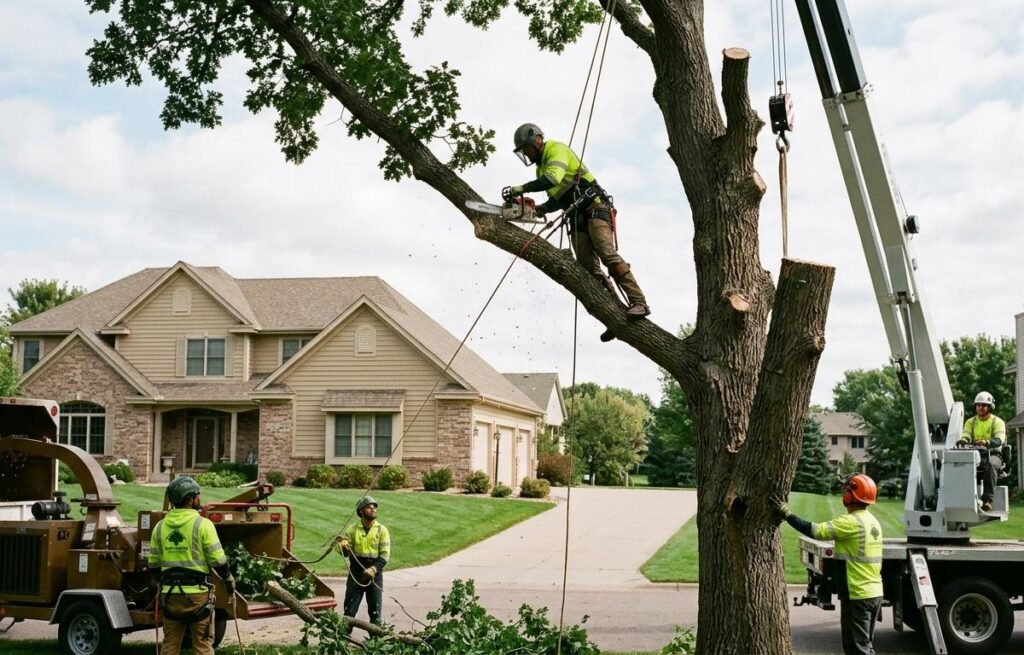
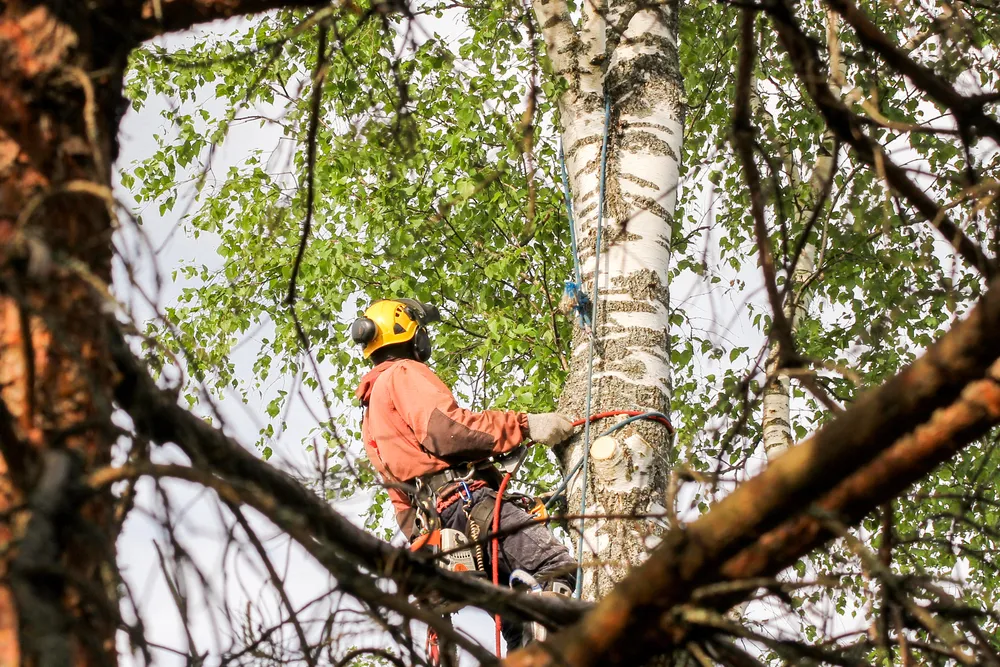
Our crew uses climbing or aerial equipment as needed, lowering heavier limbs carefully to protect roofs, fences, and landscaping.
We chip brush, handle cut wood according to your preference, and rake the work area before leaving.
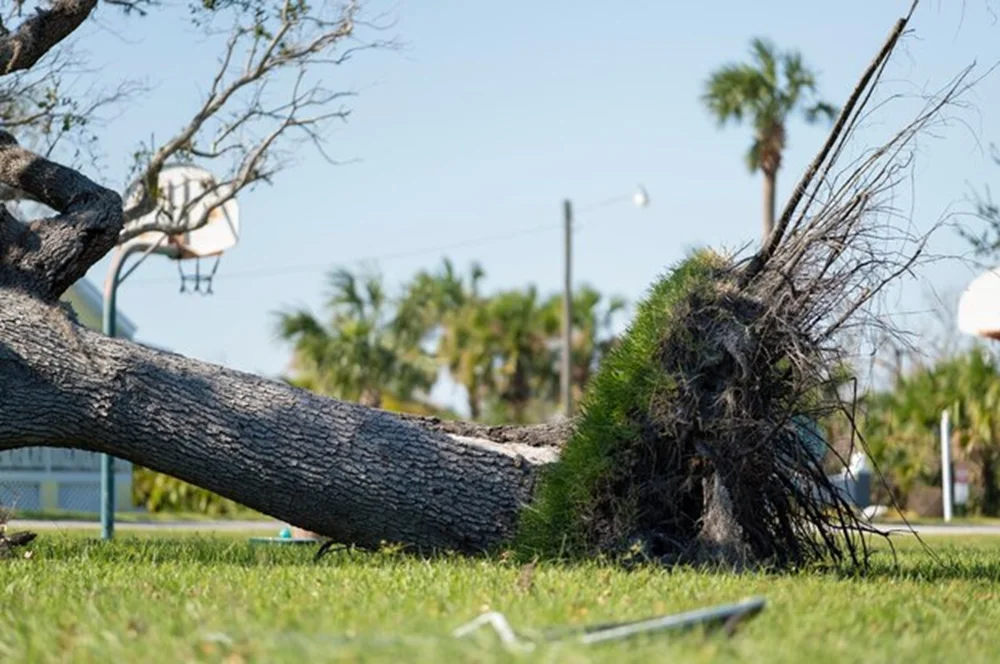
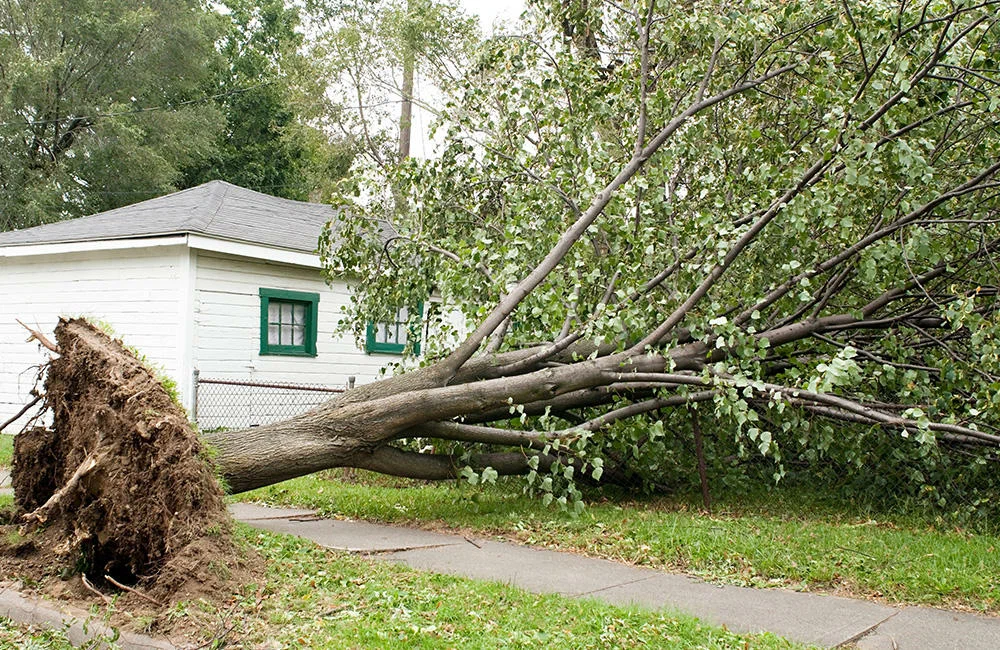
It is important to make a plan while cutting branches; difficulties can arise. Too much live growth removal might restrict the energy supply of the tree. Poorly placed cuts can produce stubs that rot. Poor timing can also raise disease risks, particularly oak wilt disease.
Metro Tree and Crane considers each tree’s species, age, health, and surroundings before starting. You’ll know which branches need attention now, what can wait, and how the tree is expected to respond.
Limbs Rest Against Your Roof or Siding
Roof shingles can be worn down, gutters can become clogged, and squirrels can obtain easier access when branches rub against a roof. Clearance is restored, and building protection is maintained with proper trimming.
Dead Branches Hang Over Walkways or Parking
Brittle deadwood can topple over at any moment. Clearing roadways, play areas, pathways, and parking spots of tree limbs is an important safety measure in Lino Lakes.
The Canopy Blocks Light, Views, or Signs
Dense growth can shade lawns, impede security lighting, and obscure business signage. You can thin selectively or raise the crown and therefore improve visibility without eliminating the tree.
Young Trees Are Forming Weak Structure
Early trimming helps young trees develop a strong central leader and well-spaced branches. Small corrective cuts can prevent larger structural problems later.
Cutting at the Right Spot
Cuts just beyond the branch collar generally support better wound closure than flush cuts or long stubs.
Choosing the Right Season
Many trees are best suited to trimming during the dormant winter months. Oaks require special attention and should generally be avoided when pruning in the spring or early summer due to the risk of oak wilt.
Removing Only What the Tree Can Spare
Removing a moderate amount of live canopy helps the tree retain enough foliage to produce energy and recover.
Lowering Limbs Under Control
Roping down heavier branches protects nearby shrubs, decks, roofs, and other property features.
Before removal begins, understanding the tree and its surroundings helps establish a practical plan for the project.
The right equipment can make difficult removal work more manageable while helping the crew work efficiently.
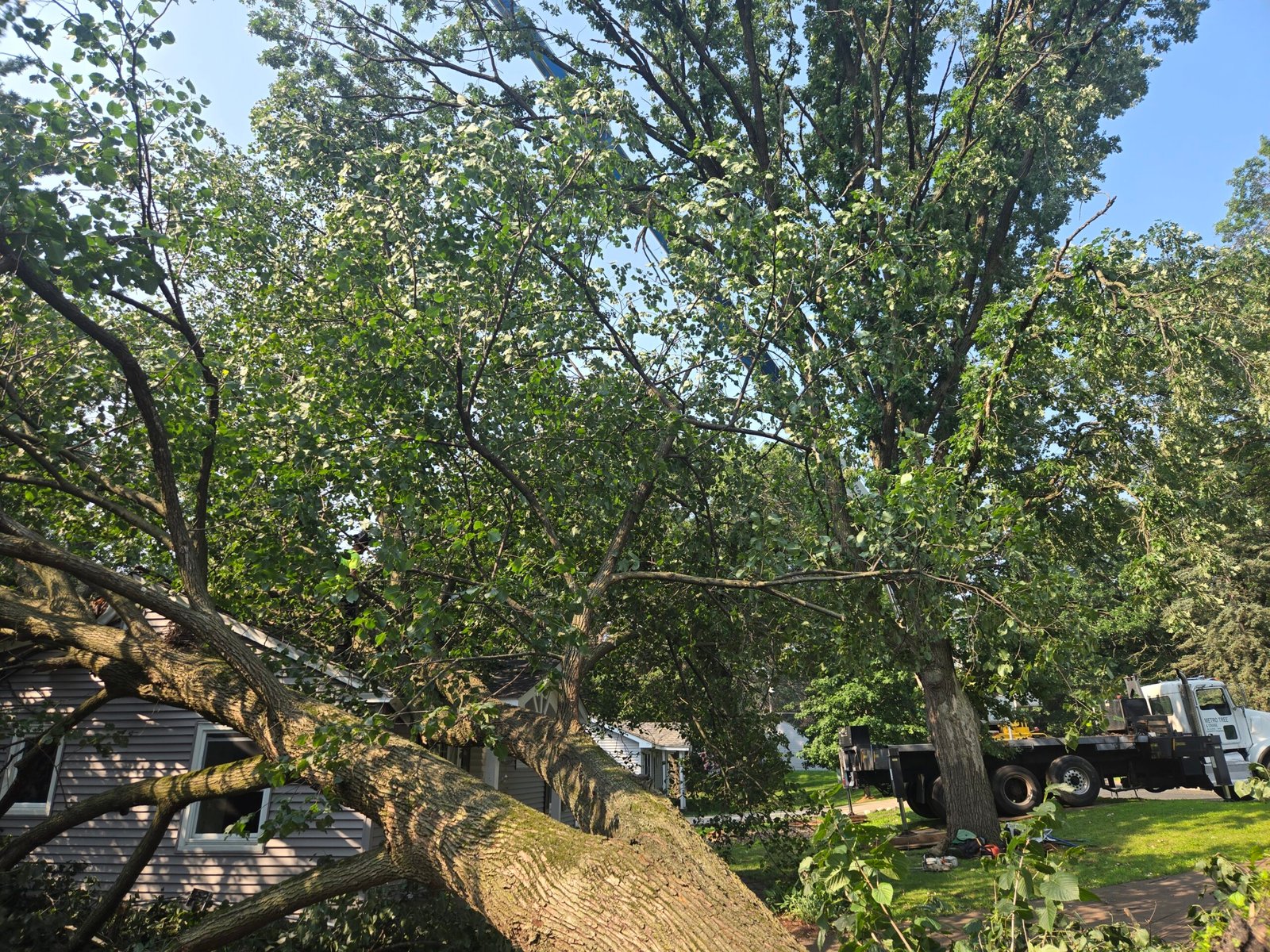
Homes, landscaping, fences, driveways, and other nearby features deserve consideration throughout the removal process.
The job is not truly finished when the tree comes down. Clearing the resulting debris helps leave the work area in better condition.
Stronger Trees in Minnesota Storms
Crown maintenance lessens wind resistance and snow load, which in turn lessens the likelihood of limb breaks.
Cleaner Roofs and Gutters
Reducing leaf accumulation, moss growth, and needless contact with shingles is possible by keeping branches at a safe distance from roofing.
Safer Yards and Lots
Removing dead and low-hanging limbs improves clearance around walkways, driveways, play areas, and parking spaces.
Healthier Long-Term Growth
Removing damaged, diseased, and crossing branches helps trees direct energy toward healthier growth.
Better Light and Curb Appeal
A well-shaped canopy allows more sunlight to reach lawns and gardens while improving the appearance of homes and businesses.
Hearing Your Concerns
We gather details about the issues you’ve noticed, including dead limbs, falling twigs, and branches crowding your roof.
Evaluating the Tree On Site
We inspect tree health, structure, clearance requirements, and nearby obstacles such as fences, utility lines, and landscaping.
Agreeing on the Scope
We explain which trees and branches are included, the trimming methods we’ll use, and how debris will be handled.
Doing the Work
Our crew works to the approved plan, dropping heavy limbs cautiously and protecting the area beneath the canopy.
Confirming Everything Is Complete
We check the finished work against the agreed scope, clean the site, and answer your questions before leaving.
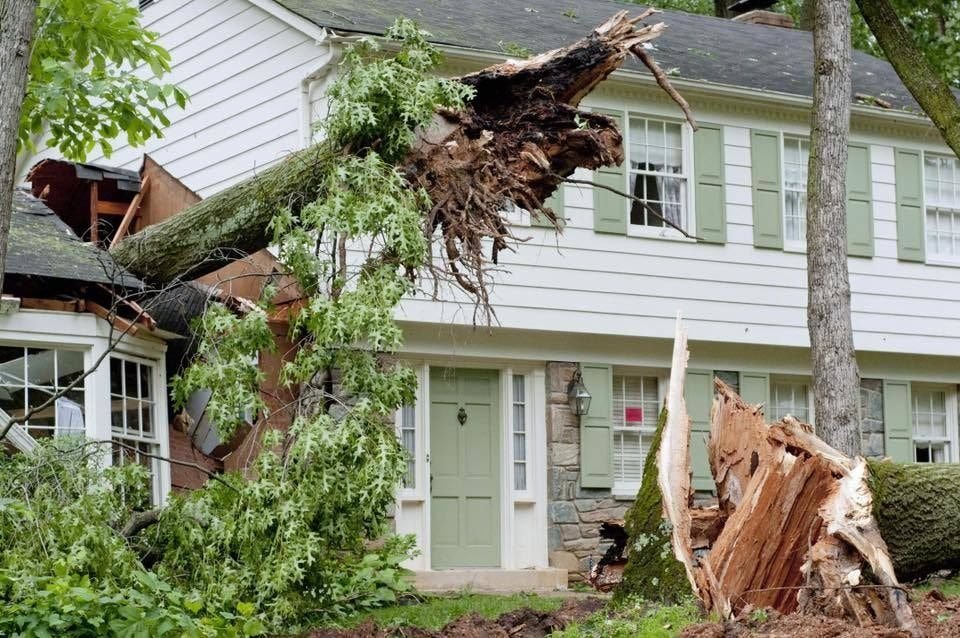
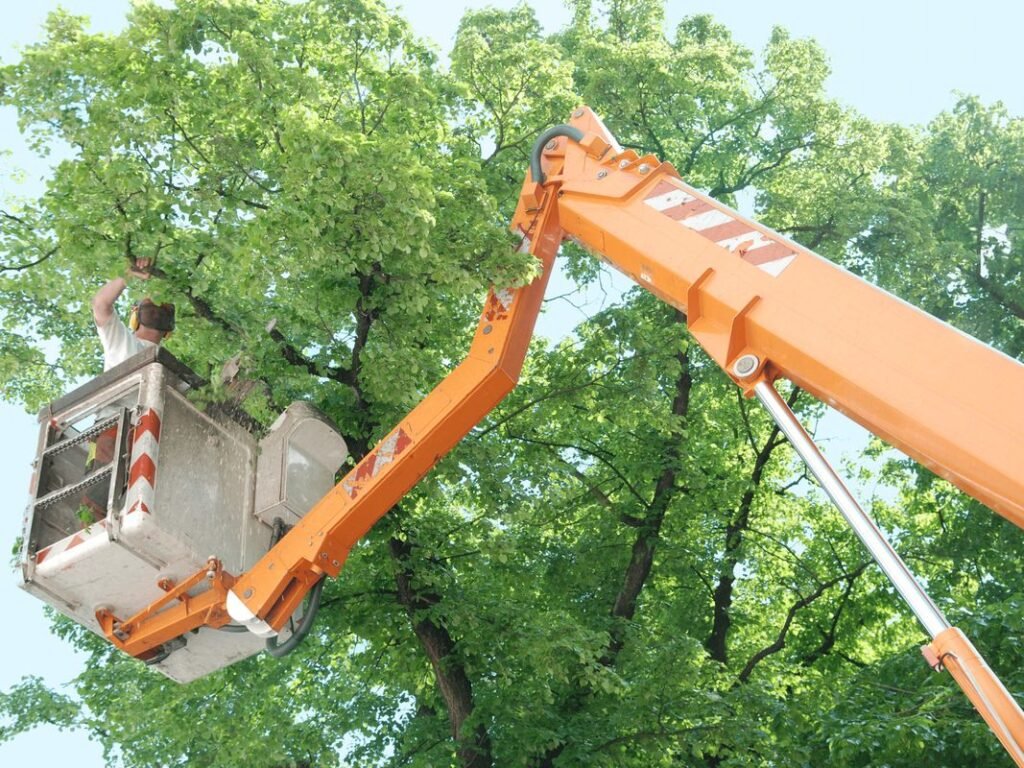
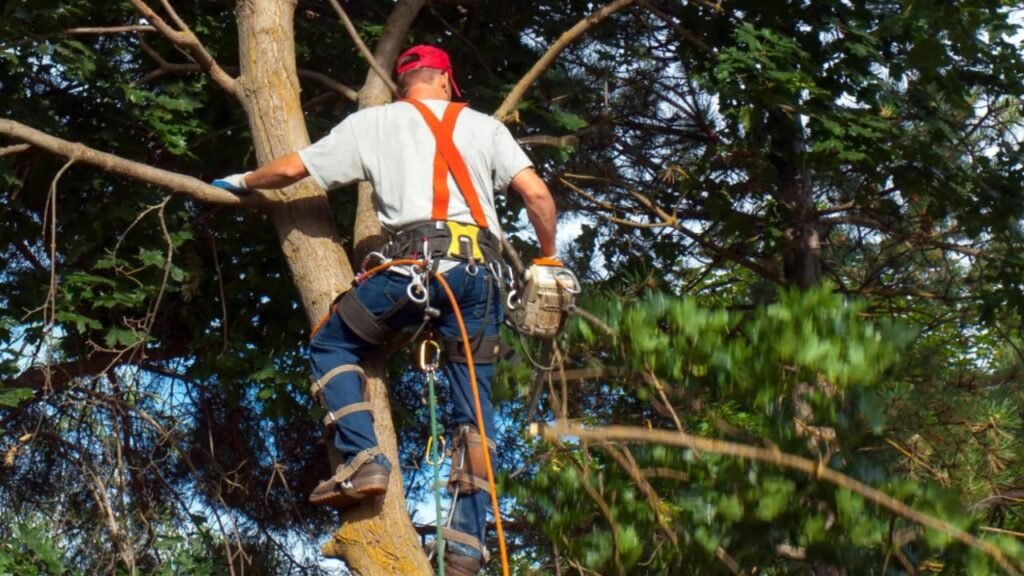
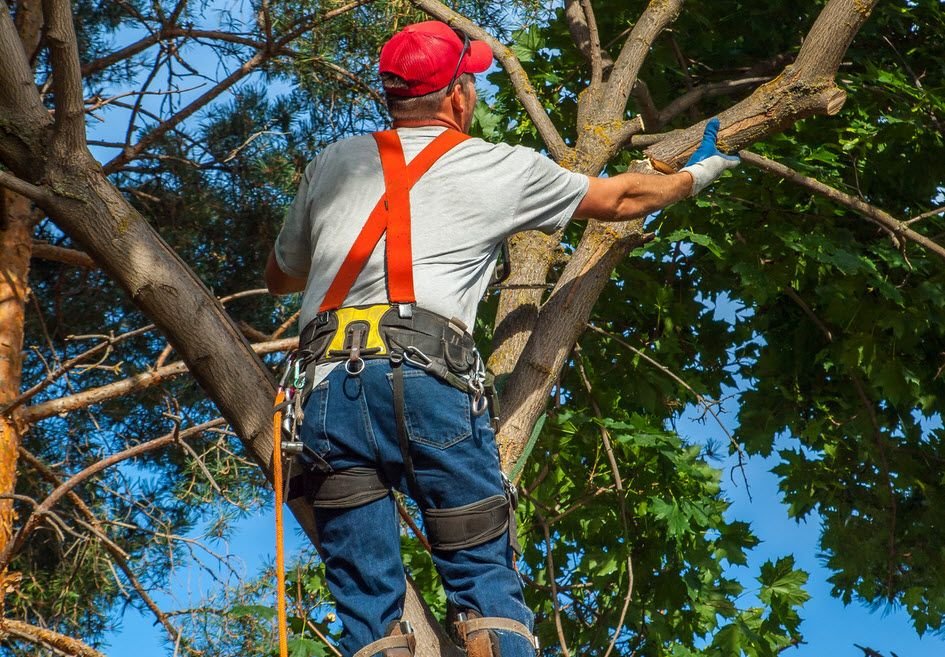
Cottonwoods and willows along the Rice Creek Chain of Lakes and oaks, maples, and spruces in established communities are among the mature trees found throughout Lino Lakes neighborhoods. Commercial properties and HOAs also need regular clearing for traffic, pedestrians, and signs.
Wet spring snow, winter ice, and summer storms can put additional stress on branches. Oak wilt and emerald ash borer are also concerns across Anoka County. Our tree trimming service in Lino Lakes considers these local conditions when planning each visit. Whether you have one overgrown maple or trees across a commercial property, an on-site assessment helps prioritize the work.
How often should my trees be trimmed?
Regular trimming, once every three to five years, is beneficial for many older trees. More frequent light care may be necessary for young trees to develop healthy structure. Priority may need to be given to trees that are close to structures or those that develop quickly.
When is the best time to trim trees in Lino Lakes?
Many tree species are best studied in the late winter when they are dormant, and the branch structure is more easily observed. If you want to keep oak wilt at bay, you shouldn’t prune your trees in the spring or early summer, when the beetles love to feast on new cuts. Amputations, whether due to death or danger, can happen at any moment.
How much does tree trimming cost in Lino Lakes, MN?
Pricing depends on tree size, the number of trees, the amount of trimming required, site access, and nearby obstacles. Debris removal and wood handling also affect the cost. A site visit helps establish a clear scope and price.
Will trimming hurt my tree?
Tree health is enhanced with proper trimming. Cutting down too much growth, making cuts in the wrong places, or topping trees all increase the risk of damage. Trees can recuperate and grow correctly with the help of careful procedures.
Can you trim branches near power lines?
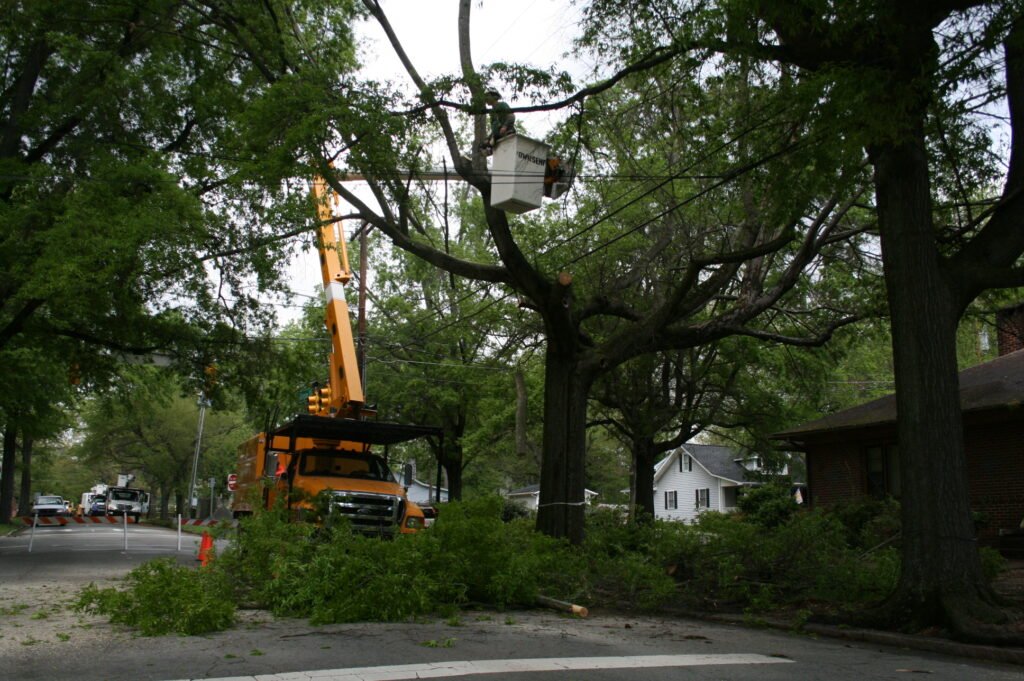
Branches touching or close to utility lines require specially qualified line-clearance crews. If your utility manages those lines, we can help identify the issue and address other parts of the tree safely.
Do you clean up after trimming?
Yes. Cleanup is included in the agreed work scope. We can chip brush, haul away wood, or leave suitable logs for firewood if requested.
How can I get started with tree service in Coon Rapids, MN?
Contact Metro Tree and Crane to discuss your tree concerns and the type of service your property may require. The situation can then be considered around the tree and surrounding area.
Waiting can let modest tree problems grow into big tree problems. Dead branches are heavier; they can damage roofs, and crowded crowns are more susceptible to storms.
Metro Tree and Crane will assess the condition of your tree, advise you on the best way to prune it, and then expertly prune it while taking special care of your property. You may reduce unnecessary hazards while preserving the shade, privacy, and aesthetic value of your trees with a well-thought-out pruning plan.
Are branches crowding your roof, hanging over your driveway, or blocking sunlight across your property? Contact Metro Tree and Crane to discuss what your trees need.
Please let us know what trees you are concerned about and provide any access information such as fences, gates, or overhead utility lines in the area. No matter if it is a single overgrown maple or a huge commercial property, our staff can help plan tree pruning in Lino Lakes that encourages healthier trees and a safer outdoor space.